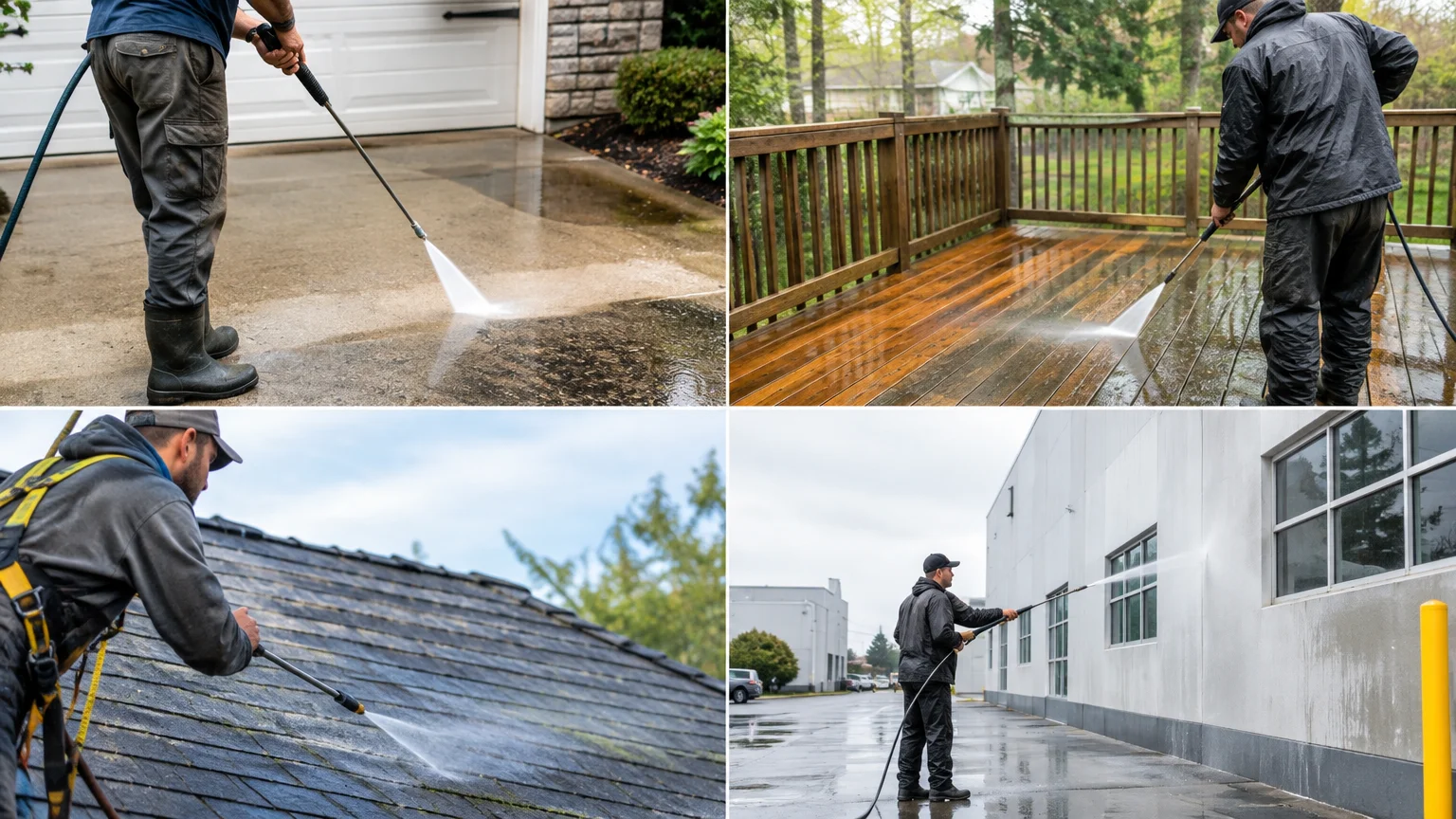
You can lower pressure washing costs by planning early, grouping related work, and preparing the property. The final quote depends on surface size, material, access, stains, and the cleaning method. Careful planning helps Stuart property owners protect their homes or businesses without cutting corners or choosing work they do not need.
A pressure washing project may look simple at first. A closer check may find stained concrete, fragile siding, blocked gates, or heavy algae. Each issue can change the work plan and the time needed.
Pressure Washing Stuart helps property owners understand these choices before work starts. A clear plan makes it easier to compare services and keep the project focused.
Table of Contents
- What factors affect pressure washing costs?
- How can you combine pressure washing services to save money?
- When is the best time to schedule pressure washing?
- How does regular maintenance lower pressure washing costs?
- What preparation can homeowners do before pressure washing?
- How can you compare pressure washing quotes fairly?
- How do you lower pressure washing costs without risking damage?
- Key takeaways
- Frequently Asked Questions
- Conclusion
What factors affect pressure washing costs?
Pressure washing costs depend on the surface, its size, its condition, and the work needed to reach it. An open driveway may need less preparation than a stained roof or tall wall. The final quote should match the property instead of only naming a general service.
Surface type, size, and condition
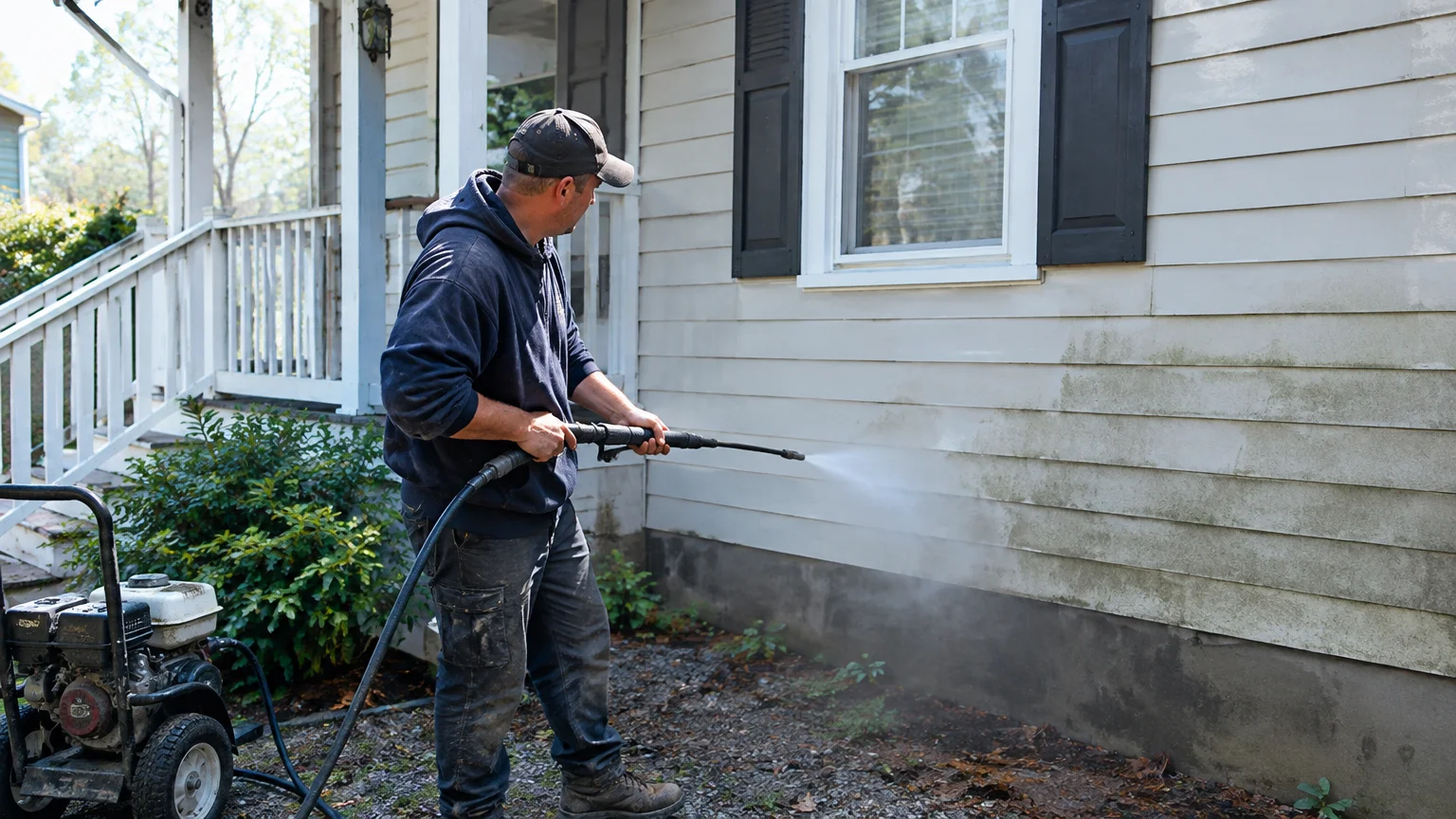
Concrete, brick, vinyl siding, wood, pavers, and roofs all need different care. Some surfaces can handle stronger pressure. Others need a soft wash. Soft washing uses cleaning solution and low pressure to remove growth with less force.
Large areas need more time, water, solution, and care. Surface condition also matters. Light dust is easier to remove than oil, old paint, thick moss, or layers of algae.
Homeowners may lower pressure washing costs by handling small messes early. They should not hide hard stains or ask for a faster method that could harm the surface. Honest details help the technician bring the right tools.
Access, preparation, and cleaning complexity
Narrow gates, steep slopes, locked areas, fragile plants, and poor water access can make a job harder. Extra setup may also be needed around windows, doors, outlets, plants, and stored items.
A quote should say if it covers rinsing, basic prep, stain treatment, cleanup, and protection for nearby areas. It should also list each surface. For example, a home wash may not include the roof, patio, pool deck, or detached garage.
Ask what work is planned and why. A clear scope helps Stuart owners compare services instead of choosing from a short label alone.
How can you combine pressure washing services to save money?
Grouping related tasks can reduce repeated setup. A property owner may plan driveway cleaning, patio cleaning, walkway washing, and siding care during one visit. The quote should confirm the exact areas and work included.
Group compatible exterior cleaning tasks
Outdoor surfaces often share access points and setup needs. A technician may protect plants, move hoses, and arrange equipment once for several areas. This can be simpler than booking each small task at different times.
Common groups include:
- Driveways, sidewalks, steps, and concrete patios
- Decks, fences, and other wood surfaces needing gentle care
- Siding, trim, soffits, and exterior entry areas
- Pool decks, pavers, walkways, and outdoor living spaces
- Commercial sidewalks, storefronts, and service areas
Each surface still needs the right method. Concrete cleaning may need a different pressure level than a wood deck. Roof cleaning also needs special care and should not be treated like driveway work.
Plan property-wide work efficiently
Walk around the property before asking for a quote. List every area that needs attention. Photos can show stains, gates, and access limits. This list can keep a forgotten area from becoming a separate job later.
Bundling does not mean every surface should be cleaned together. The goal is to group work that fits while leaving delicate or unsafe areas to the proper method. Pressure Washing Stuart can help Stuart property owners sort these choices.
When is the best time to schedule pressure washing?
The best time is before dirt, algae, stains, and plant growth become hard to remove. Weather matters too. Mild conditions with enough drying time often work better than heavy rain, strong wind, or extreme heat.
Consider seasonal demand and weather
Many owners plan exterior cleaning after winter or before outdoor events. These times may be busy. Planning early gives owners more choice and more time to compare the work scope.
Rain may delay cleaning. Strong sun can dry some solutions too quickly. Cold weather may slow drying or create safety concerns. A local provider can explain which conditions suit each surface and method.
Stuart properties can have different moisture and shade levels. Downtown Stuart, North River Shores, Palm City, Jensen Beach, Port Salerno, and Hobe Sound may each have areas that grow algae at different rates. A shaded wall may need care sooner than a sunny wall nearby.
Schedule before buildup becomes severe
Light dirt is often easier to manage than thick growth or set-in stains. Regular care may also help protect paint, sealers, wood fibers, and other finishes. Cleaning cannot fix a surface that already needs repair.
Watch for green or black growth, slippery walks, dark roof streaks, faded siding, and stains that spread after rain. These signs show that a cleaning plan may help. Waiting can make the work more complex.
A calendar reminder can help owners review outdoor areas each season. A safe ground-level check is enough for most reviews. High, steep, or fragile areas need a professional assessment.
How does regular maintenance lower pressure washing costs?
Regular maintenance helps lower pressure washing costs by limiting heavy buildup. It can also help owners find small issues before they spread across a large area. The schedule should match the material, weather, shade, and use of the property.
Prevent heavy dirt, algae, and staining
Leaves, soil, pollen, and moisture collect near steps, walls, gutters, and shaded areas. Simple upkeep can slow this buildup. Sweep hard surfaces, clear leaves, trim plants from walls, and keep drainage paths open.
Do not use harsh chemicals or strong pressure without checking the surface first. A product that works on concrete may harm wood, paint, metal, or plants. Follow the product label and surface care instructions.
Roof cleaning needs extra care. Walking on a roof can cause falls and damage shingles. Homeowners can check roofs from the ground, but roof work may need trained tools and methods.
Create a practical cleaning schedule
A useful schedule starts with what you see. A busy driveway may need review more often than a covered patio. A shaded fence may show growth sooner than one in full sun.
Owners can use this plan:
- Inspect visible surfaces from a safe location.
- Remove loose leaves and dirt with safe hand tools.
- Note stains, slippery areas, cracks, peeling paint, or growth.
- Group related needs before requesting a quote.
- Review the results and set the next check date.
This plan helps prevent rushed choices. It also gives a technician useful details when an owner requests Pressure Washing Services or Soft Washing Services.
What preparation can homeowners do before pressure washing?
Homeowners can reduce project complexity by clearing the work area. They can also point out delicate surfaces before the appointment. They do not need to operate commercial equipment to help.
Clear the work area safely
Move toys, chairs, planters, hoses, decorations, and vehicles away from the cleaning area. Close windows and doors. Keep children and pets away during cleaning and drying.
Point out outdoor outlets, irrigation controls, loose boards, fragile lights, and known leaks. Confirm which surfaces are included. A clear work area lets the technician focus on cleaning instead of moving items.
Do not climb ladders to prepare high areas unless trained and equipped. Ground-level preparation is enough for most properties. A professional can review difficult access at the site.
Identify delicate surfaces and problem spots
Mark wood, painted areas, old mortar, cracked concrete, loose pavers, fragile screens, and decorative finishes. These materials may need lower pressure, a new solution, or repairs before cleaning.
Mention oil, rust, paint, gum, algae, and other stains. Different stains need different treatments. A pressure washer may not remove every mark, and forcing the issue may damage the surface.
Take clear photos from the ground. Photos can show stained areas and access limits before the quote. This step helps Pressure Washing Stuart prepare for homes and businesses across the Stuart area.
How can you compare pressure washing quotes fairly?
Compare quotes by checking the same details, not one total alone. Each quote should explain the surfaces, method, prep, treatment, cleanup, and expected result. The final cost is confirmed on the quote after the property and requested work are reviewed.
Check what the scope of work includes
Start by matching the areas listed. One provider may include the driveway and walks. Another may include only the driveway. The quote should say whether it covers siding, patios, decks, roofs, fences, steps, and stain treatment.
Ask if the plan includes protection for plants, windows, doors, and nearby finishes. Ask how hard stains will be handled. Some marks may only lighten when they have damaged the material.
Avoid vague promises. Clear words help owners understand what will happen and what may remain after cleaning.
Compare methods, experience, and expected results
Pressure washing and soft washing are different. Pressure washing uses pressurized water on suitable hard surfaces. Soft washing uses lower pressure and cleaning agents for surfaces that force may damage.
The provider should explain why each method fits the material. This matters for roofs, siding, wood decks, painted surfaces, and older masonry. Experience can help reduce streaks, damage, and uneven results.
Useful questions include:
- Which method is planned for each surface?
- What areas and treatments are included?
- How will plants, windows, and doors be protected?
- Which stains may remain after cleaning?
- What preparation must the owner complete?
Clear answers are more useful than vague promises. Owners can then choose based on safety, scope, and expected results.
How do you lower pressure washing costs without risking damage?
The safest way to lower pressure washing costs is to choose the right method and prepare well. Saving money should never mean using too much pressure, unsafe chemicals, or tools that do not suit the surface.
Choose the right cleaning method for each surface
A driveway may handle stronger cleaning than a painted wall. A wood deck may need a gentle rinse and mild treatment. A roof often needs low-pressure cleaning instead of direct high pressure.
Homeowners can sweep, clear leaves, and check visible areas themselves. They do not need a professional for these simple tasks. High roofs, hard access, delicate materials, and unknown stains need suitable training and equipment.
The difference between pressure washing and soft washing matters. Force is not always the best cleaning tool. The right method removes buildup while protecting the material below it.
Know when professional equipment and skill matter
Professional help is useful when a surface is high, steep, fragile, heavily stained, or near electrical equipment. It also helps when the owner cannot identify the material or cleaning solution.
DIY work can cause damage through too much pressure, a poor nozzle choice, missed rinsing, or chemical contact with plants. Repairs may take more time than careful cleaning from the start.
A sound plan balances simple DIY upkeep with professional service. Pressure Washing Stuart can review the requested work and explain a practical cleaning approach for Stuart properties.
Key takeaways
- Surface type, size, condition, access, and preparation affect the final quote.
- Grouping compatible work can reduce repeated setup and planning.
- Early cleaning helps limit heavy growth and hard stains.
- Owners can clear work areas and inspect surfaces without commercial equipment.
- Quotes should list the areas, methods, treatments, protection, and cleanup included.
Frequently Asked Questions
How much does it cost to power wash a patio?
The final cost depends on patio size, material, access, stains, furniture removal, and cleaning method. Concrete, pavers, painted surfaces, and wood may need different care. A quote confirms the work after the provider reviews the patio and any hard buildup.
What is the difference between pressure washing and soft washing?
Pressure washing uses stronger water pressure on surfaces that can handle it. Soft washing uses lower pressure with cleaning solutions. It often suits roofs, siding, painted finishes, and other delicate materials. The right choice depends on the surface and buildup.
How can a homeowner clean a deck with a power washer?
First check the deck material and care guide. Wood can suffer damage from too much pressure, a close nozzle, or a slow pass. Sweeping and light upkeep may be safe DIY tasks. High, fragile, painted, or badly weathered decks may need professional care.
Who cleans solar panels near me?
Solar panels should be cleaned by a provider familiar with panel surfaces, roof safety, and maker guidance. Owners can remove loose dust from ground-level areas when safe. They should not climb onto a roof or use harsh products. Local providers can explain whether cleaning is needed.
How can a property owner get a fair pressure washing quote?
List every area, share photos, describe stains, and ask which method fits each surface. The quote should state the scope, preparation, protection, treatments, and cleanup. Comparing matching scopes gives better information than comparing unclear totals.
Conclusion
Lower pressure washing costs through early care, smart planning, and a clear work scope. Group related surfaces when it makes sense, prepare the property safely, and choose a method that fits each material. Avoid shortcuts that may damage siding, decks, roofs, pavers, or painted finishes.
Pressure Washing Stuart serves property owners and the surrounding service area. Contact us to discuss the right cleaning scope for your property.